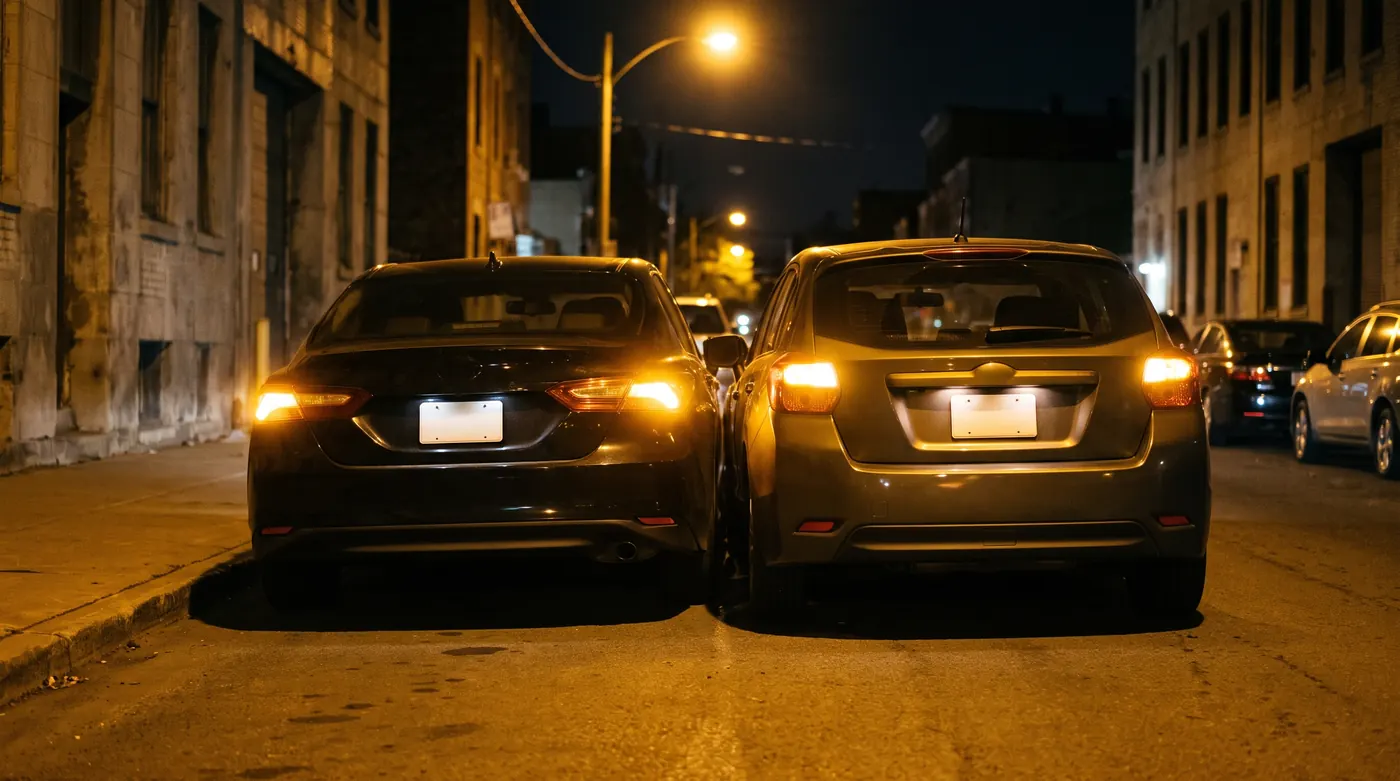
What can make a driver high-risk
- At-fault accidents or several claims in recent years
- A DUI or DWI, reckless driving or other major violations
- Several speeding tickets or moving violations
- A gap or lapse in insurance coverage
- Little driving experience, such as newly licensed drivers
How long an incident affects your rate depends on the insurer and the state. Many violations weigh less as the years pass without new incidents.
Options that are usually available
- Standard insurers may still offer coverage, at a higher premium, depending on the incident.
- Non-standard insurers specialize in drivers that other companies decline.
- State plans: every state has a way for drivers who can't find coverage in the regular market to get at least the required liability coverage, often called an assigned risk plan or residual market.
Steps that can help over time
- Keep continuous coverage, since a lapse can make future quotes worse.
- Drive incident-free; records generally improve with time.
- Ask about a defensive driving course, which some insurers and states recognize.
- Review your coverage when a violation ages off your record.
Questions
Can I be turned down for car insurance?
An individual insurer can decline to offer you a policy, but drivers can usually find coverage through another insurer or through their state's plan.
Will a high-risk label last forever?
No. Most incidents affect pricing for a limited number of years, which varies by insurer and state.
Do I need an SR-22 if I'm high-risk?
Only if your state or a court requires one. Being high-risk alone does not mean you need an SR-22. See our SR-22 guide.